Individual and Collective Antipredator Behavior
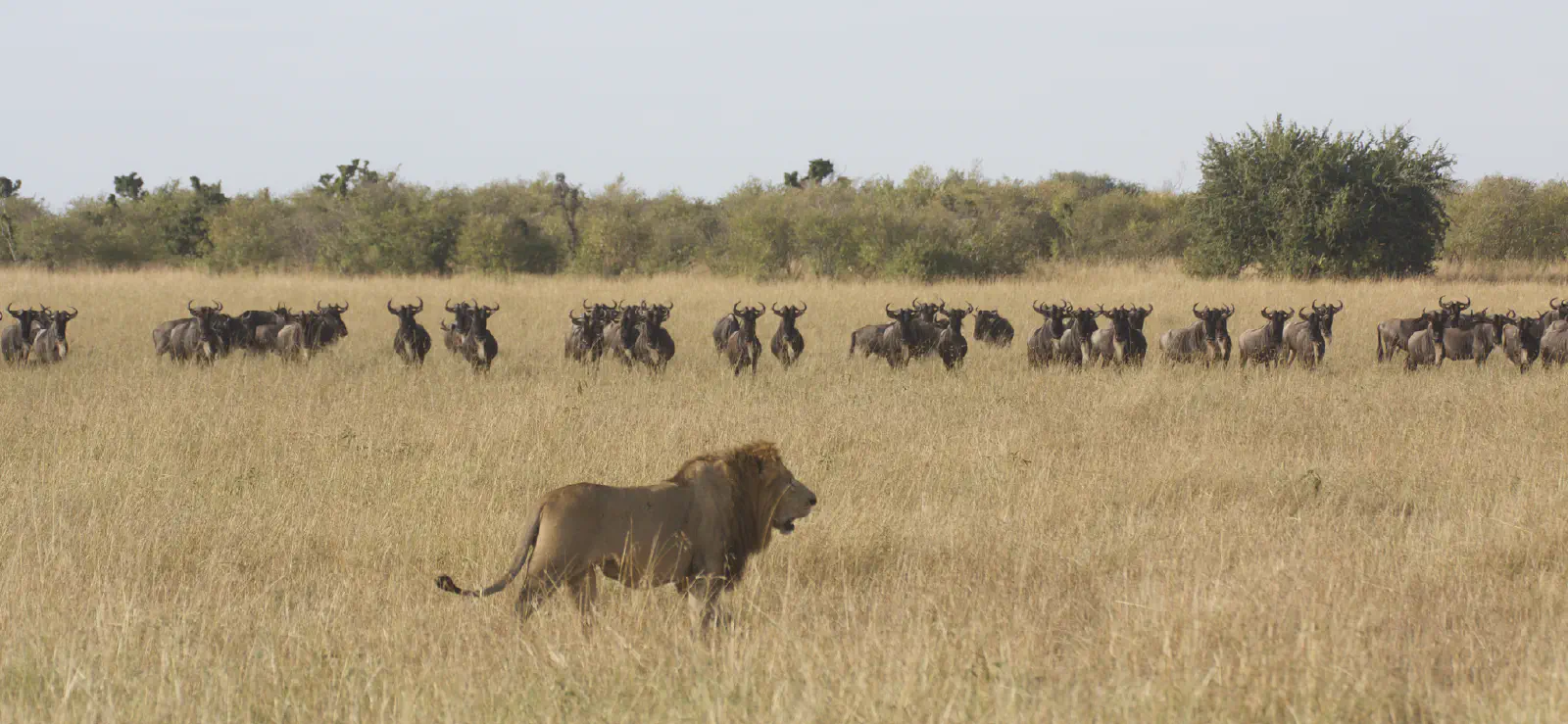
Antipredator behavior is a fantastic lens through which to study the multi-scale ecological impacts of animal behavior. Predation has a huge negative impact on individual fitness, and thus drives the evolution of a wide range of behaviors that help prey detect, avoid or deter predators. These behaviors in turn affect the way animals move across the landscape and interact with their biotic and abiotic environments, and thus potentially have knock-on ecological effects.
Collective Vigilance in Savanna Ungulates
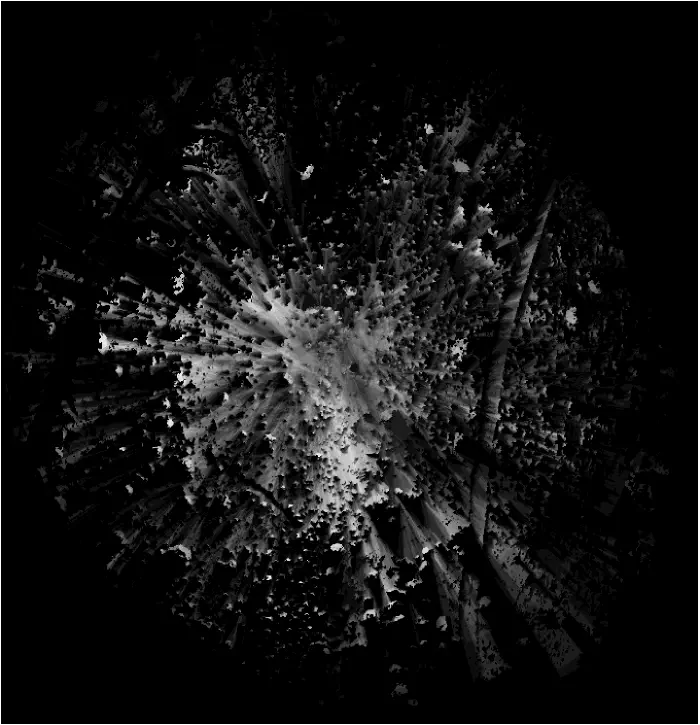
I am using drone-derived movement and behavioral data to explore the intragroup dynamics of vigilance behavior in zebras and other savannah ungulates, and to understand how individual vigilance patterns scale up to generate spatiotemporal patterns of collective vigilance and facilitate collective detection of threats.
Past Projects
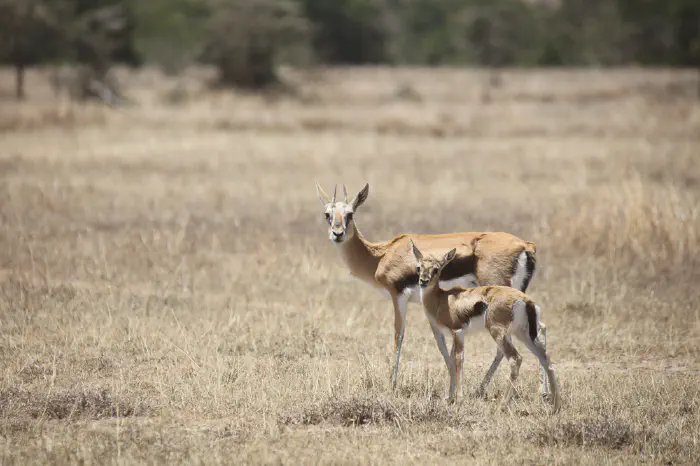
Maternal and Antipredator Behavior of Thomson’s Gazelle
My dissertation research addressed the behavior of female Thomson’s gazelles with dependent fawns. This project entailed many months of fieldwork at Ol Pejeta Conservancy in central Kenya, and focused on the behavioral strategies of mothers and fawns surrounding birth and predation avoidance in the first months of life. Please click the link above to learn more about this work.